
Corrugated Board Knives: Slitter, Slotter and Cut-Off Blade Selection Guide
Understand slitter, slotter and cut-off knife roles and what to include when ordering replacement corrugated knives.
Read Full Guide
Factory-direct replacement blades engineered for granulators and recycling machines.

Reliable replacement knives for demanding recycling applications.

OEM replacement and custom manufacturing solutions.
Replacement models for common machines, plus custom designs manufactured to your exact specifications.
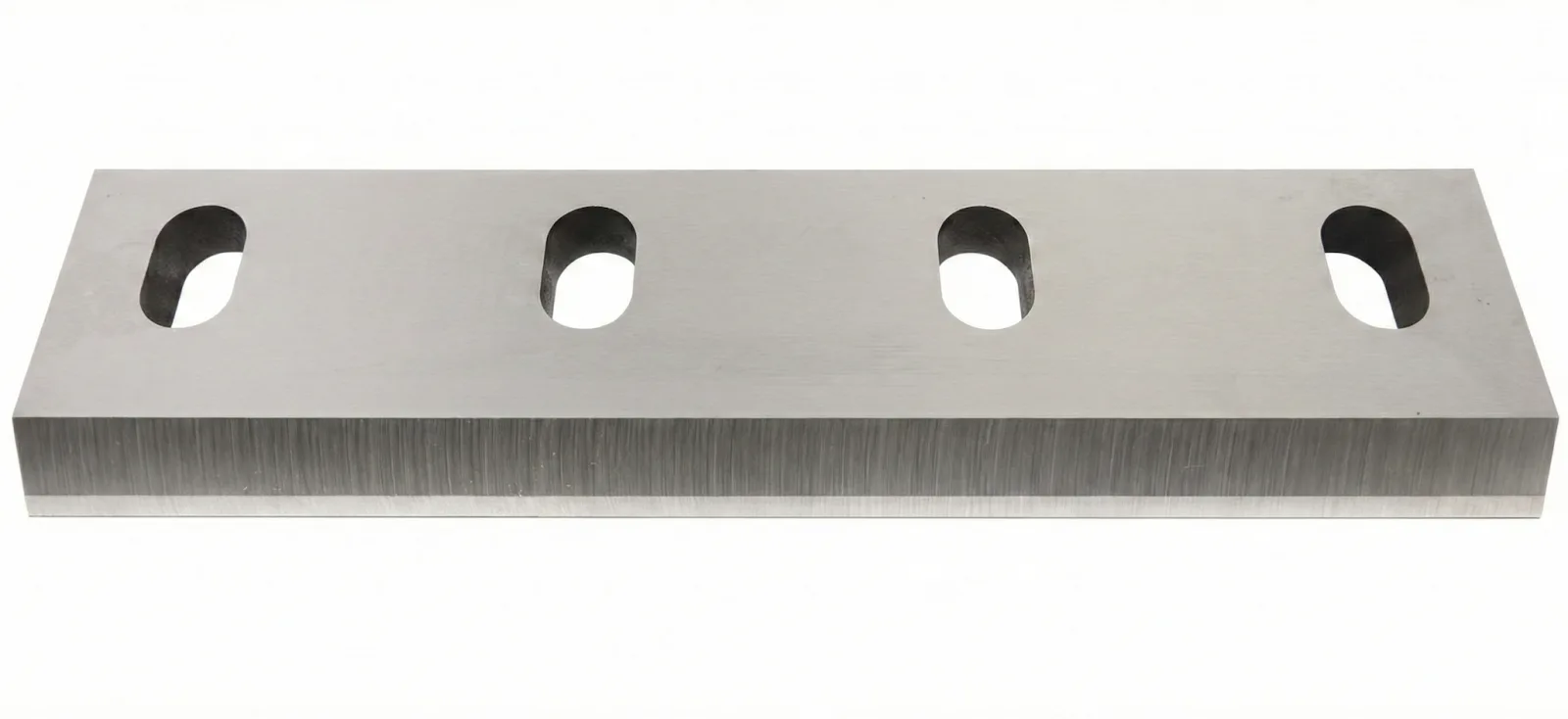
High-wear D2 & Carbide blades for plastic recycling.
View Details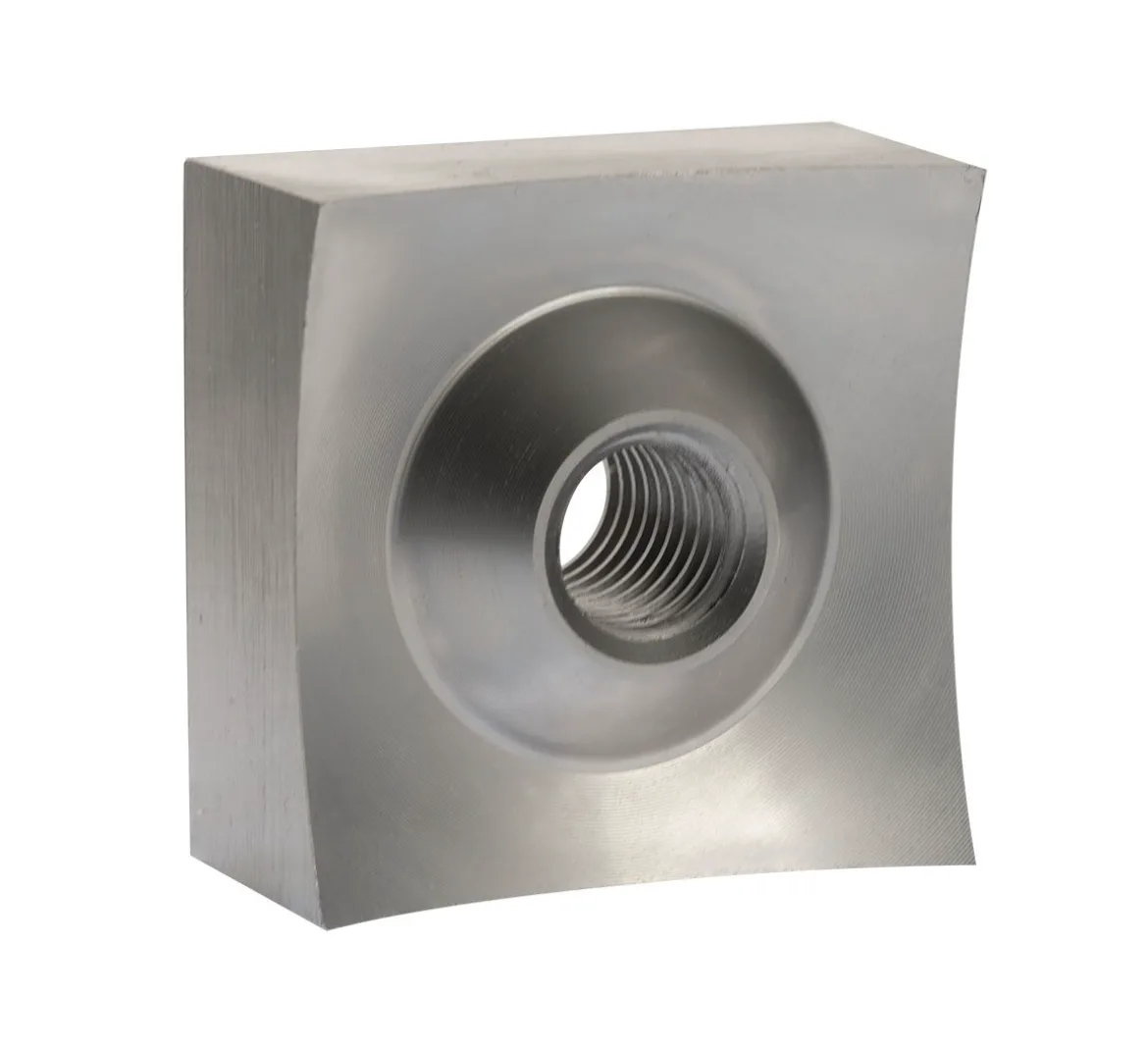
Heavy-duty blocks for single & double shaft shredders.
View Details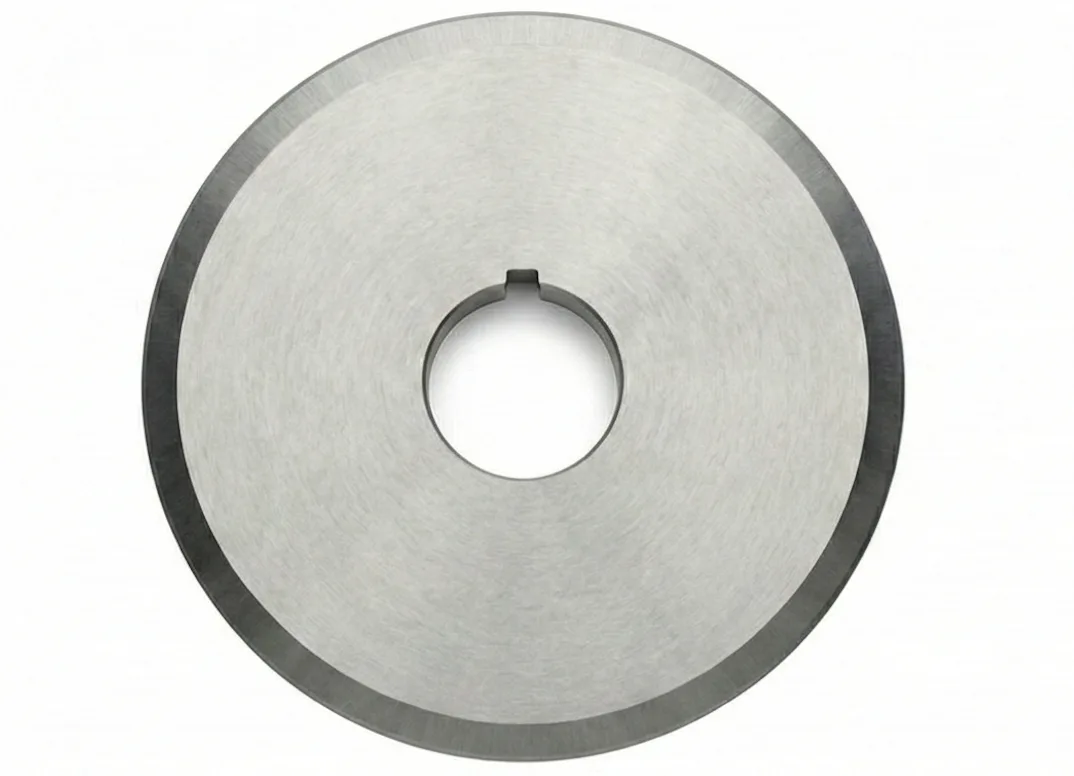
Precision slitter blades for film, foil, and paper.
View Details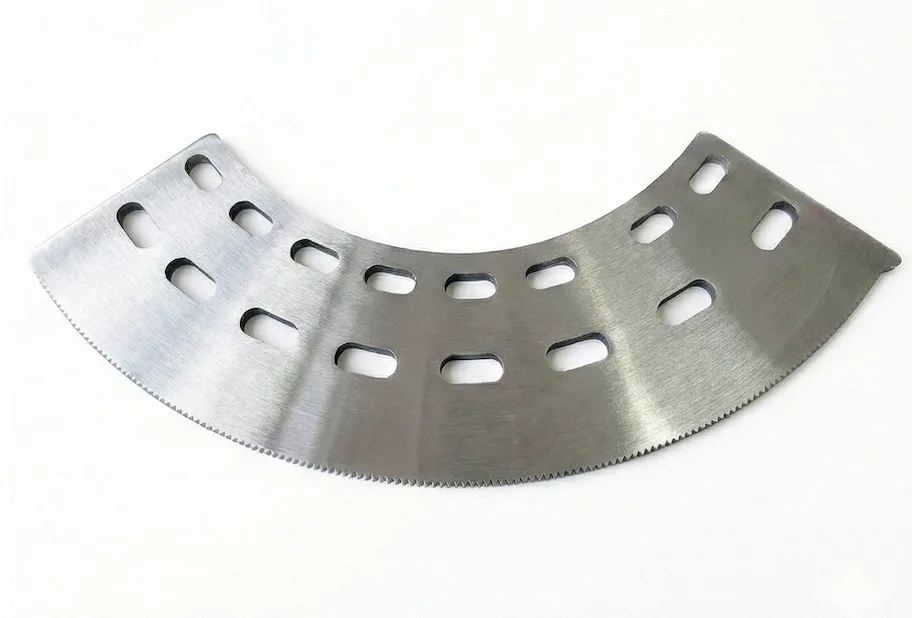
High-precision serrated knives for board production.
View DetailsPrecision-engineered cutting solutions optimized for your specific application.

High-wear granulator and pelletizer blades for PET, HDPE, and purgings.
Explore Solutions →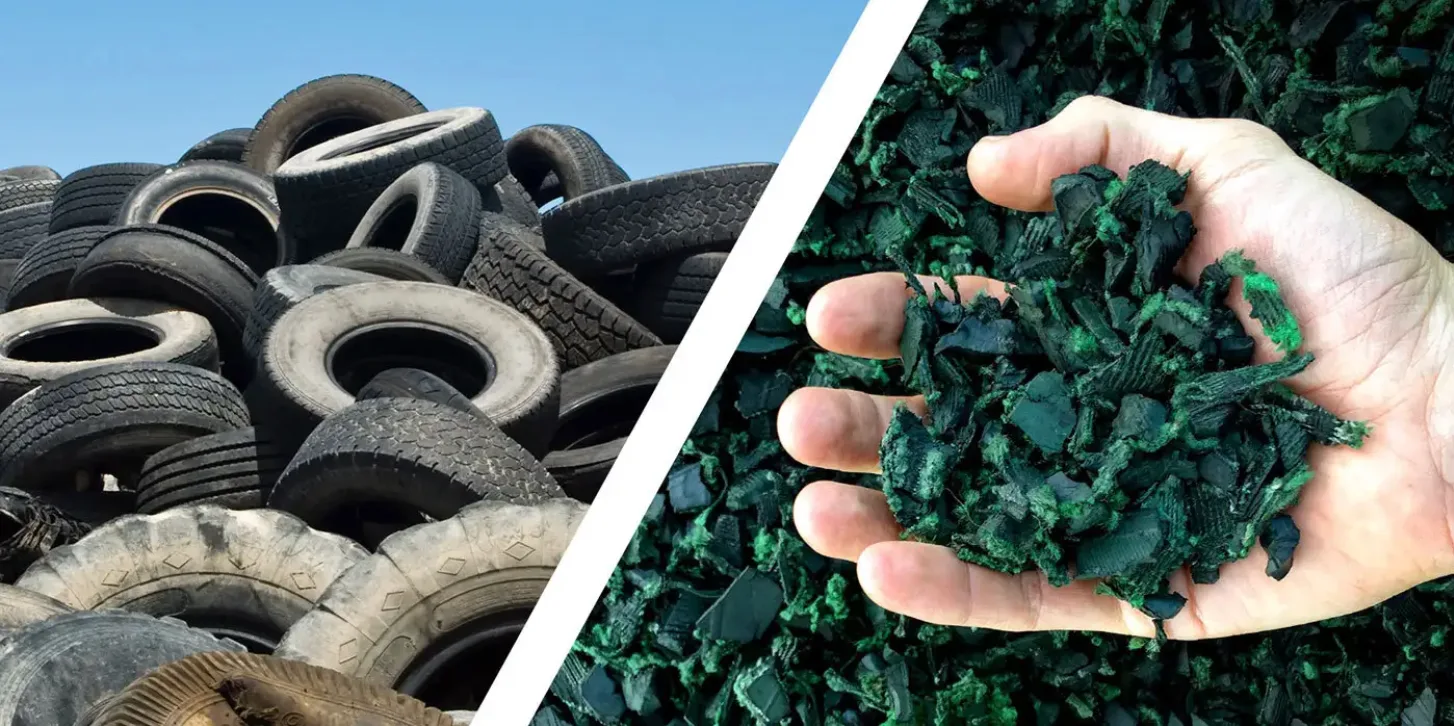
Tough shredder blocks and hooks for e-waste, tires, and wood processing.
Explore Solutions →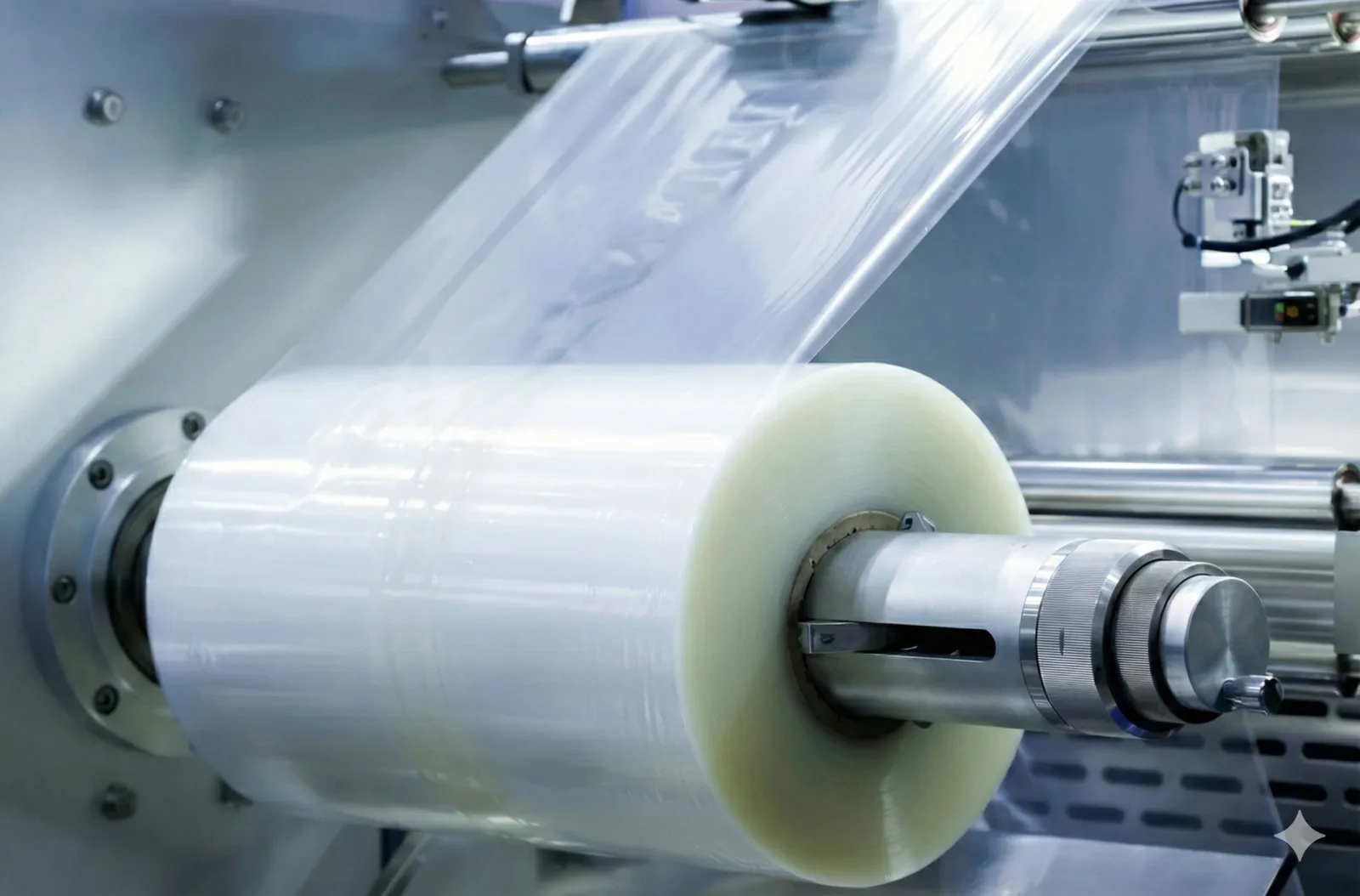
Razor-sharp slitter knives ensuring clean cuts on plastic films and textiles.
Explore Solutions →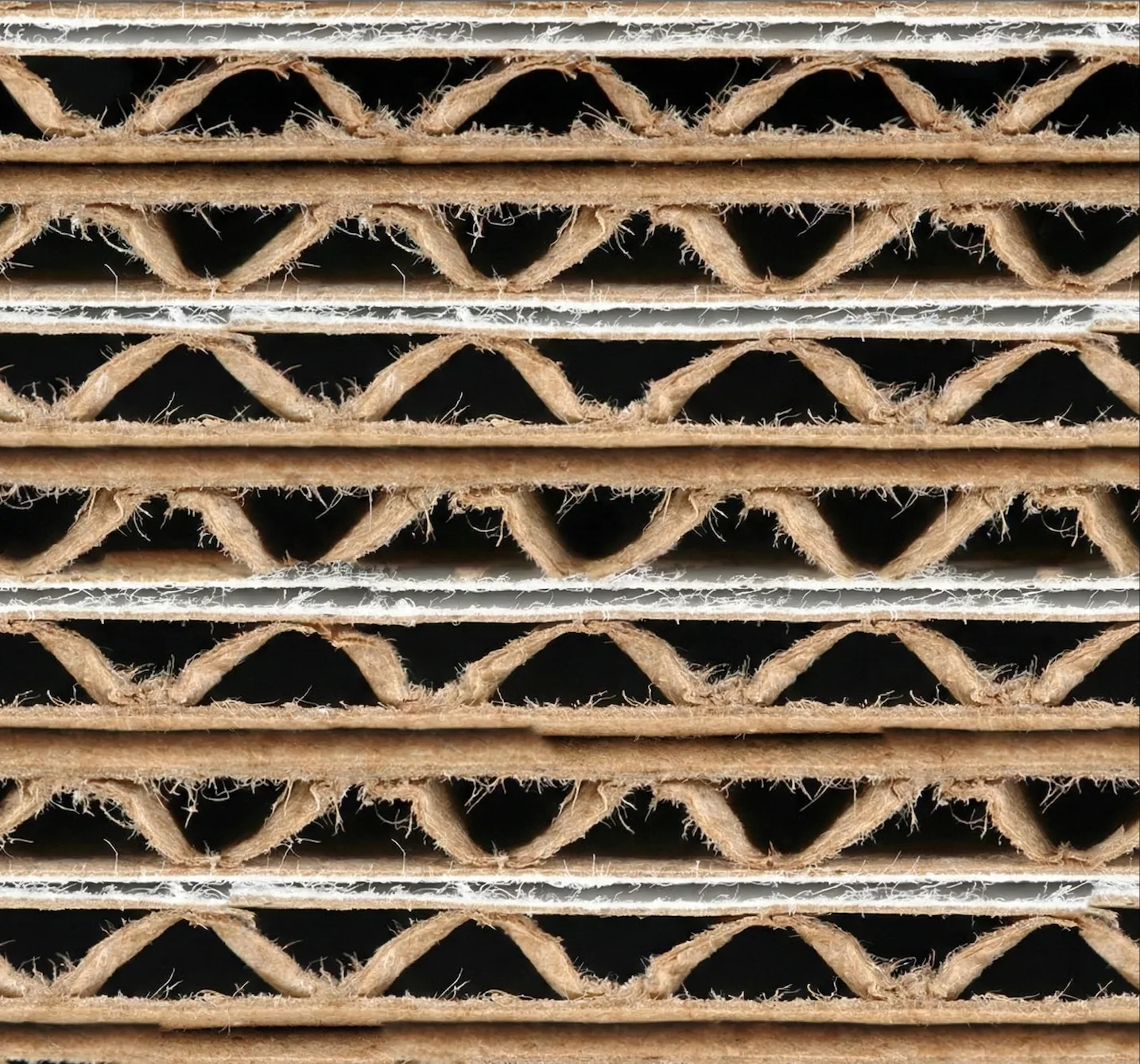
Precision serrated cut-off knives and slotters for the paper packaging industry.
Explore Solutions →Replacement industrial machine knives and custom cutting solutions, with manufacturing in Ma'anshan, Anhui Province, China and international customer support from Hong Kong.
Manufacturing & Production
Customer Service & Export Coordination
Can't find your part number? No problem. We manufacture to your exact specifications.
Send us a technical drawing, a simple hand sketch with dimensions, or mail us a sample blade.
We review your drawings, dimensions and application requirements to confirm suitable material options, pricing and estimated lead time.
After specifications and order terms are confirmed, production is scheduled according to material availability and the agreed lead time. We coordinate inspection and shipping arrangements.
Send us your specifications for a quotation.
A closer look at custom cutter inserts and the inspection work behind the finished batch.

Custom D2 cutter inserts with TiN coating, inspected for dimensions and hardness before packing.
VIEW PROJECT DETAILSInspection requirements for hardness, dimensions and edge geometry are defined by the approved product specification.
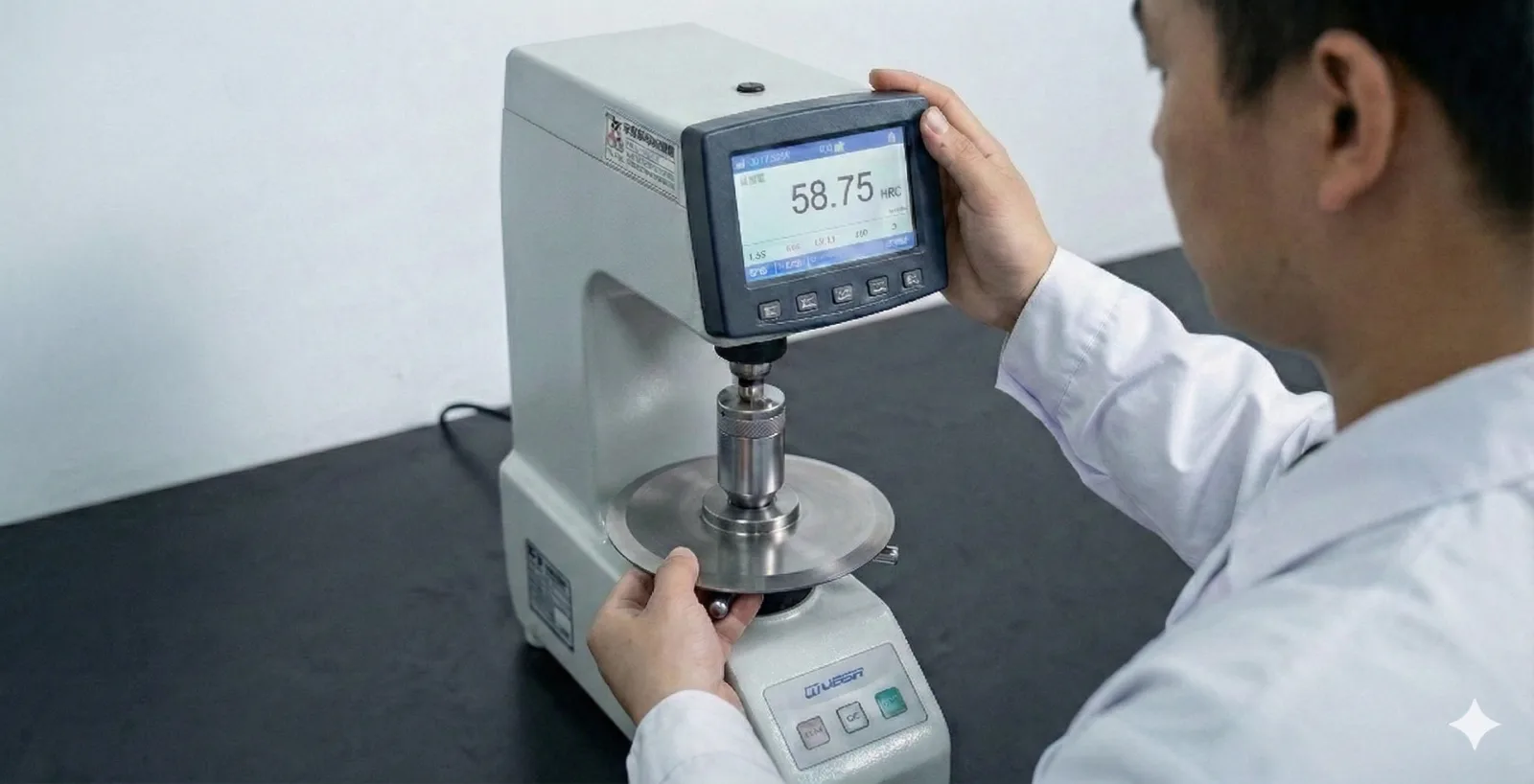
Hardness requirements are selected according to the blade material and application. Appropriate inspection methods and acceptance criteria are confirmed based on the product specification.
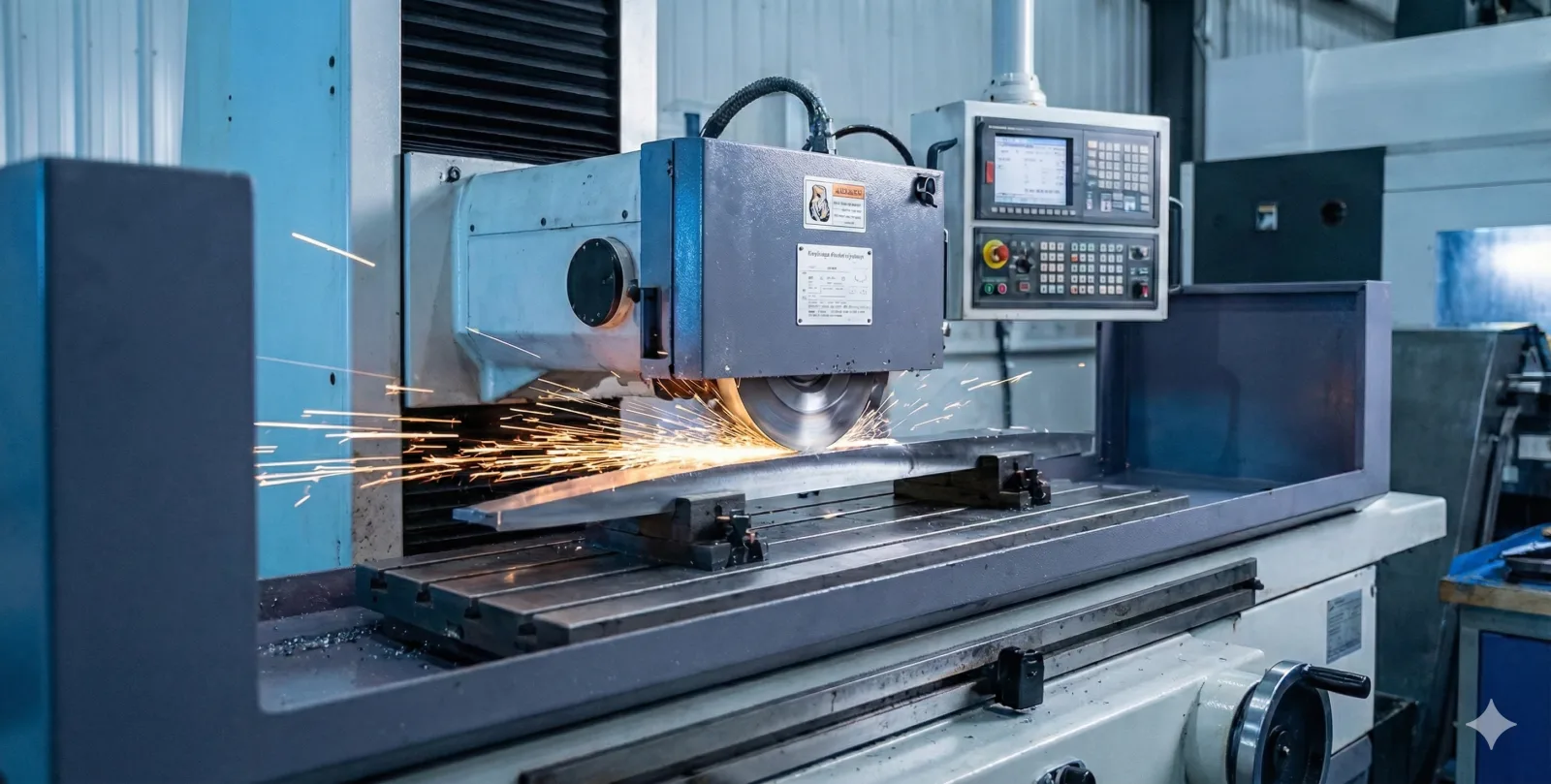
Relevant dimensions and geometric features, such as thickness, hole spacing, parallelism and bevel geometry, are checked against the approved drawing as specified for the order.
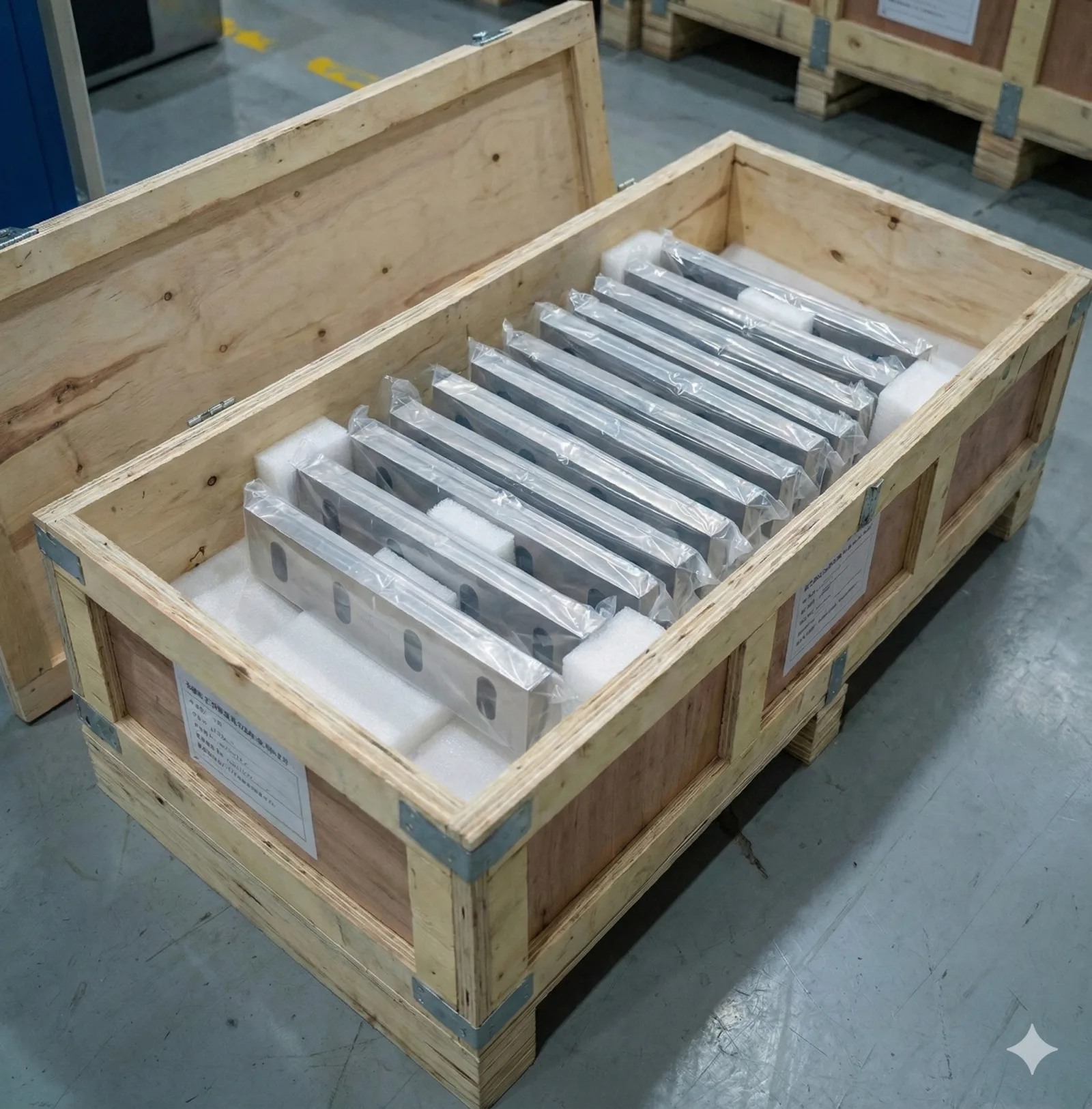
Blades are packed with suitable edge protection and protective materials according to product geometry, shipment requirements and the agreed packing arrangement.
Practical guides to industrial blade selection, materials, compatibility, maintenance, and replacement.

Understand slitter, slotter and cut-off knife roles and what to include when ordering replacement corrugated knives.
Read Full Guide
Compare razor, shear and score slitting, then check the blade geometry and machine details needed for a correct replacement.
Read Full Guide
Compare Cumberland and Rapid knife fit by machine model, dimensions, mounting pattern and bevel before ordering a replacement.
Read Full Guide
Five fit checks: length, width, thickness, mounting-hole details and bevel orientation.
Read Full Guide
Can't find the answer you're looking for? Email us at info@hk-bladetech.com.
Technical answers directly from our engineering team.
Factory Direct + Engineering Expertise. We eliminate middleman markups to deliver uncompromised quality at direct factory prices.
Send your machine model, drawing or dimensions through our Request a Quote form. We review your requirements and aim to respond promptly with suitable material options, pricing and an estimated lead time.
We recommend two primary strategies to maximize longevity:
Timely replacement protects your equipment. Watch for these warning signs:
Pro Tip: We highly recommend keeping a spare set of blades on the shelf to minimize costly machine downtime during changeovers.
Choosing the correct alloy lowers your cost-per-ton. Here is our quick guide: